
The Girl’s Guide to Growing Up: A Comprehensive Plan
Ready, Set, Grow! is a helpful resource, a 14-page digital download, offering a guide for younger girls navigating physical development during adolescence.
Understanding Puberty: The Big Picture
Puberty marks a significant transition, transforming a child’s body into that of a young adult, preparing it for reproductive capabilities. This process isn’t an event, but a series of changes occurring over time. Resources like Ready, Set, Grow!, a downloadable guide, aim to demystify these developments for younger girls.

Understanding that puberty involves both physical and emotional shifts is crucial. It’s a natural stage, though often accompanied by uncertainty and questions. The guide provides a foundational overview, helping girls comprehend what is happening to their bodies and why, fostering self-awareness and reducing anxiety during this formative period.
Physical Changes During Puberty
Puberty initiates a cascade of physical transformations, signaling the body’s preparation for adulthood. These changes are diverse and occur at varying paces for each individual. Resources like the Ready, Set, Grow! guide acknowledge this variability, offering a foundational understanding of common developments.
These changes encompass growth spurts, breast development, and the onset of menstruation. The guide helps young girls anticipate and understand these shifts, normalizing the experience. It’s important to remember that each girl’s journey through puberty is unique, and seeking information is a proactive step towards self-awareness.
Breast Development
Breast development is a hallmark of puberty, beginning with the formation of breast buds under the nipples. This process, detailed in resources like Ready, Set, Grow!, varies significantly in timing and progression among girls. It’s a natural and healthy change, driven by hormonal shifts preparing the body for potential motherhood.

Initial stages may feel tender or sensitive. Over time, breasts will gradually increase in size and shape. Understanding this progression, as outlined in age-appropriate guides, can alleviate anxiety and promote body acceptance during this transformative phase.

Growth Spurts & Height Changes
Puberty triggers significant growth spurts, leading to rapid increases in height and weight. As detailed in guides like Ready, Set, Grow!, these spurts aren’t constant; they come in waves, with periods of fast growth followed by plateaus. This can sometimes lead to clumsiness as the body adjusts.
Girls typically experience their most significant growth spurt before boys. Understanding that everyone grows at their own pace is crucial. Proper nutrition and adequate sleep are vital to support healthy growth during these formative years, ensuring optimal development.
Menstruation: What to Expect
Puberty marks the beginning of menstruation, often called a period, signifying the body’s preparation for potential pregnancy. As resources like Ready, Set, Grow! explain, this involves the monthly shedding of the uterine lining. The first period, or menarche, usually occurs between ages 10 and 16.
Periods can vary in length and flow. Common symptoms include cramps, bloating, and mood swings. Maintaining good hygiene during menstruation is essential, and understanding the menstrual cycle is empowering. Don’t hesitate to ask trusted adults for guidance and support.
Emotional & Mental Changes
Puberty isn’t just physical; it brings significant emotional and mental shifts. As highlighted in resources for growing girls, hormonal changes can lead to mood swings and increased emotional sensitivity. It’s normal to experience a wider range of feelings, sometimes intensely.
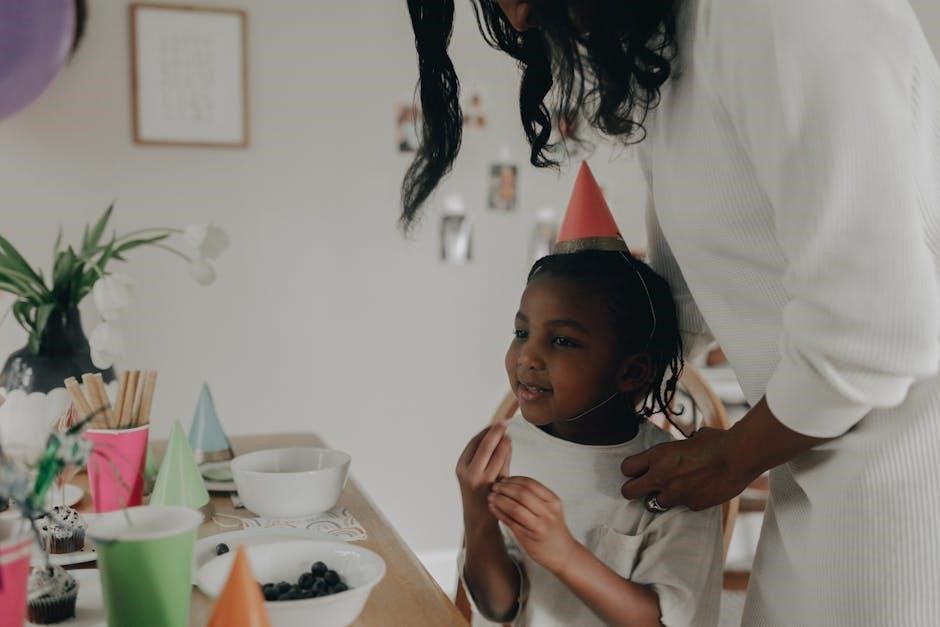
These changes can also impact body image and self-esteem. Navigating these feelings requires self-compassion and understanding. Remember that everyone develops at their own pace, and seeking support from trusted adults is crucial during this transformative time.
Mood Swings & Emotional Sensitivity
Puberty triggers hormonal fluctuations that directly influence emotions. Resources for girls explain that these shifts can cause unpredictable mood swings – feeling happy one moment and sad the next. This is a completely normal part of growing up, though it can be confusing and challenging.
Increased emotional sensitivity means feelings may be experienced more intensely. What once seemed minor might now feel overwhelming. Understanding this biological basis can help manage reactions and practice self-care during these times of emotional change.
Body Image & Self-Esteem

Navigating body changes during puberty significantly impacts self-perception. As bodies transform, girls often grapple with body image concerns and fluctuating self-esteem. Societal pressures and media portrayals can exacerbate these feelings, leading to self-doubt and comparison.
It’s crucial to remember that everyone develops at their own pace and that diverse body types are normal and healthy. Building self-acceptance and focusing on inner qualities are vital for fostering positive self-esteem throughout adolescence and beyond.
Hygiene & Self-Care
Puberty brings changes requiring adjustments to hygiene routines. Increased hormone production can lead to changes in body odor and skin, necessitating consistent personal hygiene practices. Regular showering or bathing, using deodorant, and washing hands frequently are essential.
Developing a skin care routine to address potential acne or breakouts is also important. Prioritizing self-care, including adequate sleep, healthy eating, and regular exercise, contributes to overall well-being during this transformative period.
Personal Hygiene Practices
As bodies change during puberty, consistent hygiene becomes crucial. Daily showering or bathing is essential to manage increased perspiration and maintain cleanliness. Using a gentle body wash and paying attention to areas prone to odor, like underarms, is important.
Regularly washing hands with soap and water prevents the spread of germs. Additionally, changing underwear daily and using feminine hygiene products as needed supports overall health and comfort during this developmental stage.
Skin Care During Puberty
Hormonal changes during puberty often lead to increased oil production, potentially causing acne and skin issues. Establishing a simple skincare routine is beneficial. This includes gently cleansing the face twice daily with a mild cleanser to remove dirt and excess oil.
Avoid harsh scrubbing, which can irritate the skin. Using non-comedogenic (won’t clog pores) moisturizers and considering spot treatments for breakouts can also be helpful. Remember, consistency is key for managing skin health during these years.
Relationships & Social Dynamics
Navigating friendships and social pressures are significant parts of growing up. Puberty brings evolving social dynamics, requiring strong communication and boundaries. Learning to identify and nurture healthy friendships, based on mutual respect and trust, is crucial.
Understanding how to deal with peer pressure – making choices aligned with your values, even when it’s difficult – is also essential. Building confidence and self-awareness will empower you to navigate these social complexities effectively.
Navigating Friendships
Strong friendships are vital during adolescence, offering support and companionship. Learning to identify qualities of a good friend – trustworthiness, respect, and shared interests – is key. Healthy friendships involve open communication, active listening, and mutual understanding.
Conflicts are inevitable; learning constructive ways to resolve disagreements is important. It’s also okay to outgrow friendships as interests change. Prioritize friendships that uplift and support your personal growth, fostering positive self-esteem.
Dealing with Peer Pressure

Adolescence often brings peer pressure, the influence others exert to get you to do things you might not otherwise choose. Recognizing this pressure is the first step. It’s crucial to understand your own values and boundaries, and to feel confident asserting them.
Learning to say “no” assertively, without feeling guilty, is a valuable skill. Surround yourself with friends who respect your decisions and don’t try to change you. Remember, true friends will support your choices, even if they differ from their own.
Reproductive Health
Understanding your body is key during puberty, particularly concerning reproductive health. Puberty marks the beginning of reproductive capability, bringing changes like menstruation. It’s vital to learn about the menstrual cycle – its phases, what’s normal, and when to seek guidance from a trusted adult.
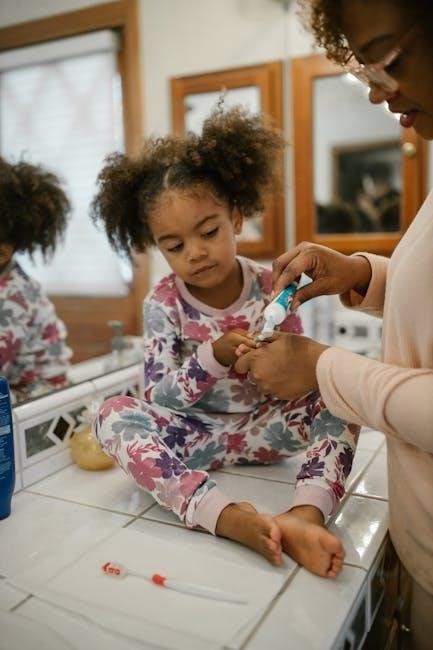
Resources like the “Ready, Set, Grow!” guide can offer foundational knowledge. Discussions about safe sex and protection are also essential as you approach adolescence and potential romantic relationships, emphasizing responsible decision-making.
Understanding the Menstrual Cycle
Puberty initiates the menstrual cycle, a natural process indicating your body’s preparation for potential pregnancy. This cycle involves hormonal changes causing the uterine lining to thicken, shed, and repeat, resulting in menstruation – commonly known as a period.
Resources like the “Ready, Set, Grow!” guide can help demystify this process, explaining phases and typical experiences. Understanding what’s normal – cycle length, flow, and associated symptoms – empowers you to monitor your health and seek support when needed.
Safe Sex & Protection
As you explore relationships, understanding safe sex is crucial for protecting your reproductive health. While the provided resources don’t explicitly detail this, it’s vital to learn about sexually transmitted infections (STIs) and contraception before becoming sexually active.
Puberty marks a time of increased vulnerability, making informed decisions paramount. Seeking guidance from trusted adults and reliable sources is essential. Remember, protecting yourself and your partner is a sign of respect and responsibility.
Body Positivity & Self-Acceptance

Navigating the changes of puberty can be challenging, impacting how you view yourself. The Ready, Set, Grow! guide, while focusing on physical development, implicitly supports self-acceptance by normalizing these changes. Remember, every girl experiences puberty differently, and there’s no “right” way for your body to change.
Focus on appreciating your body for what it can do, rather than fixating on perceived flaws. Cultivate self-compassion and surround yourself with positive influences that celebrate individuality.
Resources & Support Systems
Understanding that you don’t have to navigate these changes alone is crucial. While the Ready, Set, Grow! PDF provides a foundational understanding of puberty, it’s vital to supplement this with open communication. Talking to trusted adults – parents, guardians, teachers, or counselors – can offer personalized guidance and support.

Don’t hesitate to seek answers to your questions and share your feelings. Remember, reliable online resources and websites can also provide valuable information and a sense of community.
Talking to Trusted Adults
Navigating the changes described in guides like Ready, Set, Grow! can feel overwhelming, and seeking support is a sign of strength. Openly communicating with trusted adults – parents, guardians, older siblings, teachers, or school counselors – provides a safe space to ask questions and express concerns.
They can offer personalized advice, share their own experiences, and help you process your emotions. Don’t hesitate to initiate these conversations; their guidance is invaluable during this transformative period.
Online Resources & Websites
While resources like the Ready, Set, Grow! PDF offer foundational knowledge, numerous online platforms provide additional support and information about growing up. Hotels.com collects hotel deals, but searching specifically for puberty resources yields valuable websites.
Ensure any online source is reputable and age-appropriate. Look for sites affiliated with medical professionals or established organizations dedicated to adolescent health. Remember to discuss information found online with a trusted adult to ensure accuracy and address any concerns;
Nutrition & Exercise for Growing Bodies
During puberty, a balanced diet is crucial for supporting rapid physical development, as highlighted in resources like the Ready, Set, Grow! guide. Carnevor restaurant showcases fresh ingredients, like MightyVine tomatoes, emphasizing quality food choices.
Regular exercise is equally important, promoting bone density, muscle strength, and overall well-being. Focus on activities you enjoy, ensuring a mix of cardio and strength training. Prioritize nutrient-rich foods to fuel your body through these transformative years.
Dealing with Common Concerns
Puberty often brings skin changes like acne, a common concern addressed in guides for growing girls. Maintaining personal hygiene is key, alongside a suitable skincare routine. Body odor is another typical change; regular washing and deodorant can help manage it.
Remember, these are normal parts of growing up! Resources like Ready, Set, Grow! can offer reassurance and practical advice. Don’t hesitate to talk to a trusted adult about any concerns you have regarding these changes.
Acne & Skin Issues
As bodies change during puberty, skin often becomes oilier, leading to breakouts – a very common concern for girls. Guides like Ready, Set, Grow! acknowledge this and emphasize the importance of gentle skincare. Regular cleansing with a mild cleanser is crucial, avoiding harsh scrubbing.
Over-the-counter treatments can help, but consulting a dermatologist is wise for persistent issues. Remember, acne isn’t a reflection of hygiene and is a normal part of growing up!
Body Odor
Puberty brings hormonal changes that can lead to increased sweat production, resulting in body odor. This is perfectly normal! A key aspect of hygiene during this time, as highlighted in resources for growing girls, is daily showering or bathing with soap.
Wearing clean clothes, especially underwear, is essential. Deodorant or antiperspirant can be used under the arms to help control odor. Don’t feel embarrassed – it’s a natural part of development!
Navigating First Romantic Feelings
As you grow, it’s natural to develop crushes and experience new romantic feelings. These feelings can be exciting, but also confusing! It’s important to remember that everyone develops at their own pace, and there’s no rush.
Understanding your own emotions and communicating them honestly is key. Resources for girls emphasize the importance of healthy relationships built on respect and trust. Take time to get to know someone before getting involved romantically.
Understanding Consent & Boundaries
Establishing healthy boundaries is crucial for self-respect and safe relationships. Consent means freely and enthusiastically agreeing to something – it’s not silence or pressure. You have the right to say “no” at any time, and your boundaries should always be respected.
Understanding consent isn’t just about romantic relationships; it applies to all interactions. Resources for young girls emphasize the importance of knowing your worth and advocating for your needs.
Preparing for Adulthood: Future Goals
As you grow, thinking about your future becomes exciting! Consider your passions, interests, and strengths. Explore different career paths and educational opportunities that align with your goals. Remember, it’s okay to not have everything figured out right away.
Resources like Ready, Set, Grow! can help you navigate these thoughts. Setting achievable goals, both short-term and long-term, builds confidence and prepares you for a fulfilling adulthood. Embrace learning and growth!