Delta Shower Valve Instructions: A Comprehensive Guide
This detailed guide offers comprehensive Delta shower valve instructions, covering installation, troubleshooting, and warranty details for a seamless bathroom upgrade experience.
From rough-in to finishing, learn to expertly install your new Delta shower system, ensuring optimal performance and lasting enjoyment for years to come.
Understanding Delta MultiChoice Valves
Delta MultiChoice valves represent a significant advancement in shower technology, offering unparalleled flexibility during installation and future renovations. These universal valves accommodate a wide range of shower configurations, eliminating the need to replace the valve body when changing showerheads, tub spouts, or even shower systems.
The core benefit lies in their ability to manage multiple outlet options – showerhead, handshower, tub spout – through a single valve. This is achieved via integrated diverter technology, allowing seamless switching between functions. The R10000 series, a popular MultiChoice option, simplifies plumbing by consolidating connections.
Understanding this system is crucial; it allows installers and homeowners to customize their shower experience without extensive plumbing modifications. Proper installation, following the provided guides, unlocks the full potential of this versatile valve system, ensuring long-term satisfaction and adaptability.
Identifying Delta Shower Valve Series (R10000)
The Delta R10000 Series is a cornerstone of the MultiChoice Universal Shower Valve system, renowned for its adaptability and ease of installation. Identifying this series is the first step towards a successful shower upgrade. Look for the R10000 designation on the valve body itself, or within the product packaging and accompanying documentation.
This series is specifically designed to accommodate various shower configurations, including shower-only setups and combinations with bathtubs. It features integrated supply stops, simplifying water shut-off during maintenance. The R10000-UNWS model, frequently referenced in installation videos, includes these convenient supply stops.
Recognizing the R10000 allows access to specific installation guides and troubleshooting resources tailored to this model, ensuring a smooth and efficient process. Correct identification is paramount for selecting compatible trim kits and accessories.
Tools and Materials Needed for Installation
Successful Delta shower valve installation requires a specific set of tools and materials. Essential tools include a pipe wrench, soldering torch (and associated safety gear), adjustable wrench, screwdriver set, and a level. A tubing cutter is crucial for precise pipe measurements, while a file or deburring tool ensures smooth edges.
Materials needed encompass the Delta R10000 valve itself, appropriate copper or PEX tubing (avoid PEX for the tub spout drop), solder, flux, and Teflon tape. Don’t forget a pipe plug (often included) for shower-only models. Replacement O-rings are vital, as damaging these during soldering is a common issue.
Having a bucket and towels handy to catch drips is also recommended. Ensure you have the correct shower arm and flange, and the chosen Delta trim kit readily available before commencing installation.
Safety Precautions Before You Begin
Prioritizing safety is paramount when installing a Delta shower valve. Always shut off the water supply to the shower before starting any work – both hot and cold lines. Wear safety glasses to protect your eyes from debris, especially during soldering. If soldering, ensure adequate ventilation to avoid inhaling fumes, and use heat-resistant gloves.
Be mindful of hot surfaces during and after soldering; allow pipes to cool completely before touching them. When working with plumbing, be aware of potential electrical hazards – avoid contact with electrical wiring. Inspect all tools for damage before use, and follow manufacturer’s instructions carefully.
If you are uncomfortable with any aspect of the installation, consult a qualified plumber. Ignoring these precautions could lead to injury or water damage.
Installation Process: Rough-In Stage
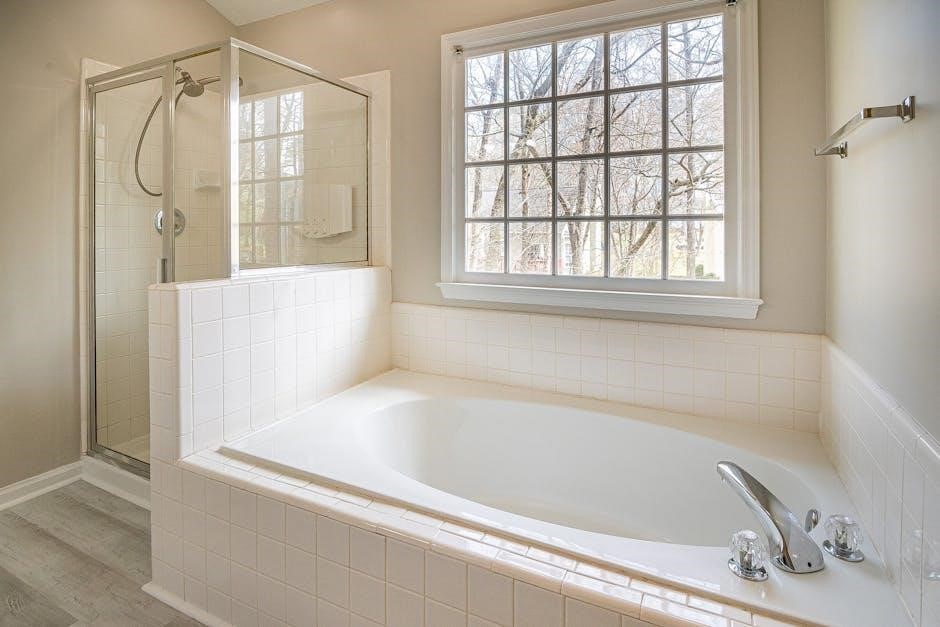
Begin by securely mounting the rough-in body and carefully connecting the water supply lines, ensuring proper alignment for a leak-proof and durable installation.
Mounting the Rough-In Body
Properly mounting the Delta R10000 Series rough-in body is crucial for a successful shower installation. Begin by carefully positioning the valve body within the shower enclosure, ensuring it aligns with your desired showerhead and spout locations. Securely fasten the body to the wall studs using appropriate screws – typically, these are provided within the Delta installation kit.
Pay close attention to the valve’s orientation; the ports must face the correct direction for easy connection to the water supply lines. Ensure the body is flush against the wall surface to accommodate the escutcheon plate later. Double-check for levelness using a spirit level, as an unlevel installation can lead to water drainage issues or aesthetic imperfections.
Before proceeding, verify that the mounting screws are firmly tightened, but avoid over-tightening, which could damage the valve body or the surrounding wall. A stable and correctly positioned rough-in body forms the foundation for a reliable and long-lasting Delta shower system.
Connecting Water Supply Lines
Connecting the hot and cold water supply lines to the Delta shower valve rough-in is a critical step. Before connecting, ensure the water supply is completely shut off at the main valve. Utilize appropriate connectors – typically copper or PEX – compatible with your existing plumbing. Avoid using PEX tubing directly for the tub spout drop; use a rigid connection instead.
Carefully thread the connectors onto the valve inlets, hand-tightening initially, then using a wrench to secure them further. Avoid over-tightening, which can damage the valve body or the connectors. Apply Teflon tape to the threads for a watertight seal.
Double-check the connections for any leaks before proceeding. Proper connection ensures consistent water flow and prevents potential water damage. Remember to follow local plumbing codes and regulations during this process for a safe and compliant installation.
Proper Soldering Techniques (Avoiding O-Ring Damage)
Soldering the adapter to the tubing requires precision to prevent damage to the crucial O-ring. Keep the solder away from the O-ring groove; excessive heat can compromise its integrity, leading to leaks. Remove the O-ring (1) from the adapter (2) before soldering, then carefully solder the adapter to the tube.
Use a heat shield to protect the surrounding areas and focus the heat on the joint. Apply flux to ensure a clean and strong solder connection. After soldering and allowing the joint to cool, replace the O-ring onto the groove of the brass adapter.
Ensure the O-ring is seated correctly before proceeding. A properly soldered joint and intact O-ring are vital for a leak-free and reliable shower valve installation.
Installing the Adapter and O-Ring
Begin by removing the O-ring (1) from the adapter (2) – this is often a preparatory step before soldering, as detailed in previous instructions. Carefully insert the adapter (1) into the valve, ensuring a snug but not forced fit. Once the soldering is complete and the joint has cooled, it’s time to reinstall the O-ring.
Cut off the tube (3) if necessary to create a clean surface for the new O-ring. Position the O-ring precisely within the groove of the brass adapter. Verify the O-ring is fully seated and not twisted or pinched, as this can cause leaks.
A properly installed O-ring is essential for creating a watertight seal between the adapter and the tub spout, preventing drips and ensuring optimal shower function.

Installation Process: Valve and Trim
Now, focus on attaching the shower arm, tub spout, and escutcheon plate, securing the valve cartridge for a finished look and reliable performance.
Attaching the Shower Arm and Flange
Begin by carefully threading the shower arm into the shower flange before screwing it into the riser, particularly with shower-only models. Ensure a snug fit, avoiding excessive force that could damage the threads or the flange itself.
Before fully tightening, verify proper alignment to ensure the showerhead will spray in the desired direction. Once aligned, securely tighten the shower arm into the riser, using a wrench if necessary, but protect the finish with a cloth to prevent scratches.
Next, slide the escutcheon plate over the shower arm and against the wall. This plate covers the valve and creates a clean, finished appearance. Ensure it sits flush against the wall for a professional look.
Finally, double-check that the shower arm and flange are securely attached and properly aligned before proceeding to the next step in the installation process.
Installing the Tub Spout (Avoiding O-Ring Damage)
Prior to installation, meticulously remove the O-ring (1) from the adapter (2). Carefully solder the adapter to the tubing, crucially keeping the solder away from the O-ring groove to prevent damage and ensure a proper seal.
After soldering, cut off the tubing and replace the O-ring within the groove of the brass adapter. This O-ring is vital for preventing leaks. Thread the tub spout onto the adapter, exercising extreme caution not to damage the newly installed O-ring during this process.
Hand-tighten the spout firmly against the finished wall until it’s secure. Avoid using a wrench, as this can easily compromise the O-ring. Ensure the spout is aligned correctly before final tightening.
A properly installed tub spout, with an undamaged O-ring, guarantees a leak-free and enjoyable bathing experience.
Securing the Valve Cartridge
Before inserting the valve cartridge, thoroughly inspect it for any debris or damage. Ensure the valve body is clean and free of any obstructions that could hinder a proper seal. Gently insert the cartridge into the valve body, aligning it correctly with the designated slots and guides.
Push the disc until it is fully seated within the valve body. This ensures optimal functionality and prevents leaks. A firm, even pressure is key during this step. Avoid forcing the cartridge, as this could cause damage to the internal components.
From the valve first, install the retaining clip or nut, securing the cartridge in place. Tighten it according to the manufacturer’s specifications – avoid over-tightening, which can damage the valve body or cartridge.
A securely fastened cartridge is essential for smooth operation and reliable temperature control.
Positioning and Securing the Escutcheon Plate
Carefully position the escutcheon plate over the shower valve, ensuring it aligns perfectly with the finished wall surface and covers any exposed valve components. The escutcheon plate provides a clean, finished look and protects the valve from accidental damage.

Check for proper alignment before securing the plate. It should sit flush against the wall without any gaps or unevenness. Minor adjustments can be made at this stage to achieve a perfect fit.
Secure the escutcheon plate using the provided screws. Tighten them gently and evenly to avoid cracking the plate or damaging the surrounding tile or wall surface. Do not over-tighten.
A properly installed escutcheon plate enhances the aesthetic appeal of your shower and contributes to a professional-looking installation.

Post-Installation Checks and Troubleshooting
Thoroughly test for leaks, adjust water temperature and pressure, and address common issues like soldering or O-ring problems for optimal performance.
Testing for Leaks
After completing the installation, a meticulous leak test is paramount to ensure a watertight and reliable Delta shower system. Begin by slowly turning on the water supply to both the hot and cold lines, carefully observing all connections. Pay close attention to the shower arm connection, tub spout, valve cartridge, and around the escutcheon plate.
Visually inspect for any drips or moisture accumulation. If leaks are detected, immediately shut off the water supply and address the source. Common leak points include improperly tightened connections, damaged O-rings, or faulty soldering. Ensure the adapter is securely connected and the tub spout is firmly tightened, avoiding damage to the O-ring during installation.
Run the shower for several minutes, varying the water temperature and flow rate. Continue to monitor for leaks throughout this process. A small amount of water may initially seep from the tub spout, but this should cease quickly. If leaks persist, re-examine all connections and consider professional assistance.
Adjusting Water Temperature and Pressure
Once the leak test is successful, proceed to adjust the water temperature and pressure for a comfortable showering experience. Delta MultiChoice valves offer precise control, allowing you to customize settings to your preference. Begin by turning on the shower and allowing the water to reach a stable temperature.
Adjust the valve cartridge to achieve your desired temperature blend. Remember to test both hot and cold extremes to ensure proper functionality. If the water temperature fluctuates unexpectedly, check for cross-connections or issues with the thermostatic mixing valve. Pressure adjustment may be possible depending on your specific model.
For optimal performance, ensure your home’s water pressure falls within Delta’s recommended range. If pressure is too low, consider a pressure-boosting pump. If it’s too high, install a pressure-reducing valve. Regularly check and adjust settings as needed to maintain consistent comfort.
Addressing Common Installation Issues

During Delta shower valve installation, several common issues may arise. Leaks are frequent, often stemming from improperly tightened connections or damaged O-rings. Carefully inspect all joints and re-tighten as needed, replacing O-rings if necessary. Soldering problems can occur, particularly if excessive heat is applied near O-ring grooves – avoid this!
Difficulty with cartridge insertion is another potential snag. Ensure the cartridge is correctly aligned and lubricated before attempting installation. If the valve handle feels stiff, check for obstructions within the cartridge or escutcheon plate. Water flow issues could indicate a blockage in the supply lines or showerhead.
Always double-check that the valve is installed correctly, following the manufacturer’s instructions. Don’t force components; gentle adjustments are key. If problems persist, consult a qualified plumber for assistance.
Dealing with Solder Issues and O-Ring Placement
Solder proximity to O-rings is critical during Delta valve installation. Excessive heat damages O-rings, causing leaks. Keep solder away from the O-ring groove when attaching the adapter to the tube. After soldering, always inspect the O-ring for any signs of melting or deformation; replace if compromised.
Proper O-ring placement is essential for a watertight seal. Before threading the tub spout onto the adapter, ensure the O-ring is seated correctly within its groove. Hand-tighten the spout to avoid damaging the O-ring. Cut off the tube and replace the O-ring on the brass adapter groove if needed.
If solder flows into the valve body, carefully remove it to prevent future malfunctions. A clean workspace and precise soldering technique minimize these issues.
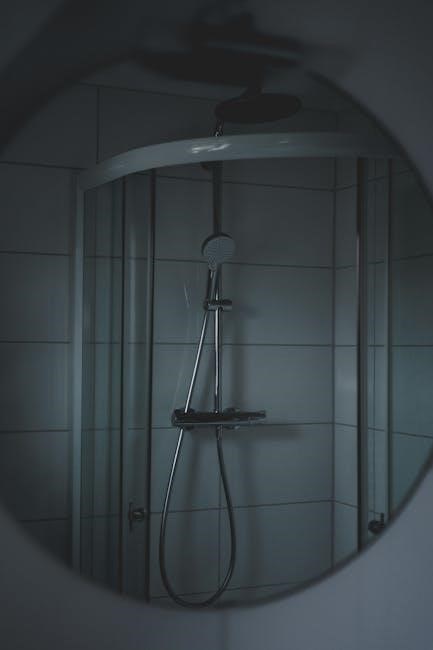
Delta Warranty Information
Delta provides robust warranty coverage for its shower valves, protecting against manufacturing defects. Understand claim procedures and limitations to ensure a smooth resolution if issues arise.
Understanding Warranty Coverage
Delta’s commitment to quality extends to a comprehensive warranty program for its shower valves, designed to provide peace of mind to homeowners. Generally, Delta faucets and valves are warranted to be free from defects in material and workmanship for a lifetime to the original purchaser. This lifetime warranty applies to the finish on the product as well.
However, it’s crucial to understand the specifics. The warranty covers defects encountered during normal residential use. Damage resulting from improper installation, misuse, abuse, accidents, or cleaning with abrasive materials is typically excluded. Any claim made under the warranty requires proof of purchase, such as a receipt or invoice.
Furthermore, Delta reserves the right to repair or replace the defective product at their discretion. This warranty doesn’t cover labor costs associated with removal or re-installation. Understanding these details ensures you can effectively utilize the warranty should the need arise, protecting your investment in a Delta shower valve.
Claim Procedures
Initiating a warranty claim with Delta is a straightforward process, designed for customer convenience. First, gather your proof of purchase – a receipt or invoice – as this is essential documentation. Contact Delta’s customer service department via phone or through their website. Be prepared to describe the issue in detail and provide the model number of your shower valve (R10000 series, for example).
Delta may request photos or videos of the defect to aid in the assessment; If the claim is approved, Delta will typically offer a repair or replacement of the defective part or the entire valve. You may be responsible for shipping costs to return the faulty product.
Keep records of all communication with Delta, including dates, names of representatives, and claim numbers. Remember that Delta reserves the right to inspect the product before authorizing a replacement. Following these steps will ensure a smooth and efficient warranty claim experience.
Limitations of the Warranty
Delta’s warranty, while comprehensive, has specific limitations. Damage resulting from improper installation, misuse, abuse, or neglect is not covered. This includes issues stemming from using incorrect tools, failing to follow installation instructions, or subjecting the valve to extreme conditions; Furthermore, the warranty doesn’t extend to damage caused by hard water, sediment buildup, or the use of abrasive cleaners.
Alterations or repairs performed by unauthorized personnel will void the warranty. The warranty also typically doesn’t cover labor costs associated with removing or reinstalling the valve. Any implied warranties are limited to the duration of this express warranty. Delta is not liable for consequential or incidental damages.
Remember to adhere to the provided guidelines to maintain warranty validity. Proper care and installation are crucial for long-term performance.
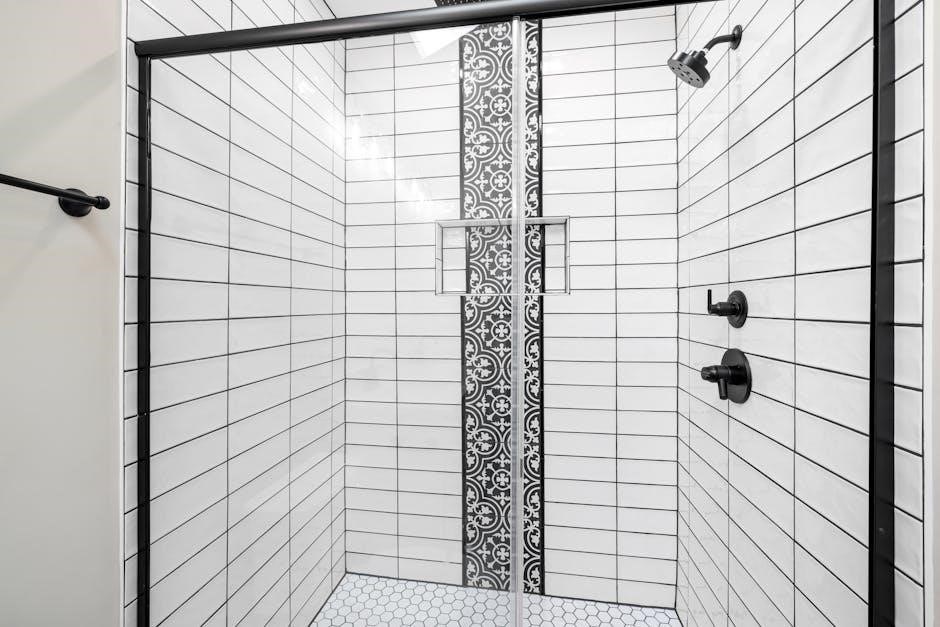
Shower Size Trends and Delta Valves
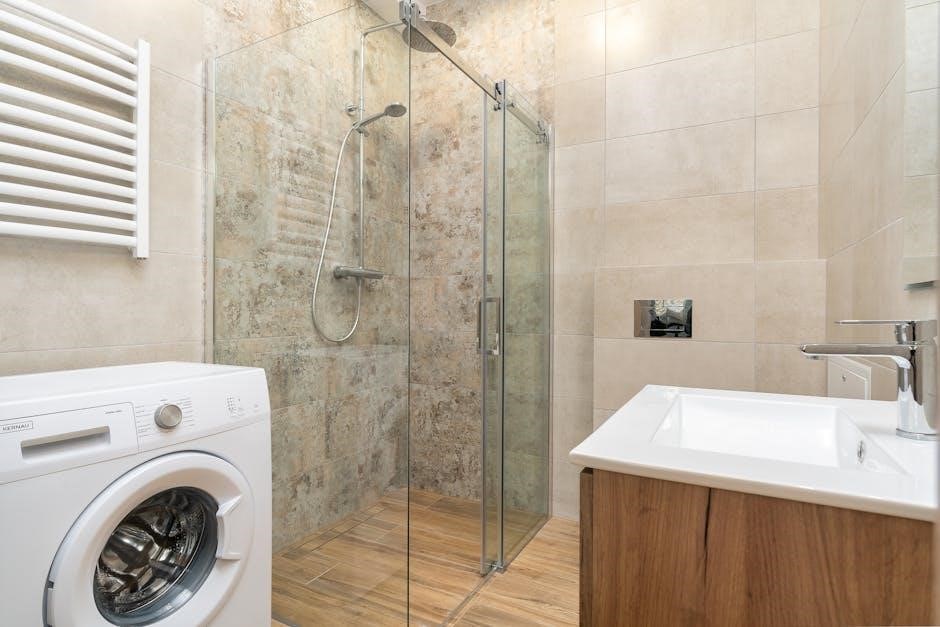
Modern bathrooms increasingly feature larger showers (42-48 inches), demanding adaptable valve systems like Delta MultiChoice, ensuring optimal water delivery and coverage.
Adapting Delta Valves to Larger Shower Spaces
As shower dimensions expand, typically to 42-48 inches, ensuring adequate water coverage becomes paramount. Delta MultiChoice valves offer exceptional adaptability for these larger spaces, allowing for multiple shower heads or body sprays to be connected to a single valve.
Proper water supply is crucial; verify your home’s plumbing can support the increased flow demands of additional outlets. Consider upgrading supply lines if necessary. When installing, strategically position shower heads and sprays to maximize coverage and create a luxurious showering experience.
Delta’s universal valve system simplifies this process, offering a variety of trim kits to match your aesthetic preferences. Remember to consult local plumbing codes and regulations during installation, and always prioritize safety by shutting off water supply before beginning any work.
Careful planning and execution will ensure your larger shower delivers the ultimate in comfort and functionality, fully utilizing the capabilities of your Delta valve.
Considerations for 42-48 Inch Showers
Larger showers, spanning 42 to 48 inches, necessitate careful planning to ensure optimal water distribution and a satisfying showering experience. Delta valves, particularly the MultiChoice series, are well-suited for these spaces, but specific considerations apply.
Increased space allows for multiple showerheads, body sprays, or a combination, demanding a valve capable of handling the higher flow rate. Verify your home’s water pressure is sufficient; a pressure-balancing valve is highly recommended to maintain consistent temperature.
Strategic placement of outlets is key, avoiding concentrated streams and ensuring full coverage. Consider the shower’s layout and user preferences. Proper waterproofing is also critical in larger showers due to increased surface area.
Delta’s trim kits offer design flexibility, but choose options that complement the shower’s size and style. Professional installation is advisable to guarantee proper functionality and prevent leaks.