
List of Manual Therapy Techniques: A Comprehensive Overview
Manual therapy encompasses diverse techniques – traction, massage, trigger point therapy, and Active Release Techniques – addressing musculoskeletal dysfunction and promoting healing.
These hands-on approaches, integral to physical therapy, aim to alleviate pain, restore movement, and enhance overall function through targeted interventions.
Manual therapy, a cornerstone of modern physiotherapy, represents a skilled, hands-on approach to healthcare, focusing on the musculoskeletal system. It’s utilized for managing tendinopathy and a wide array of conditions causing pain and limited movement.
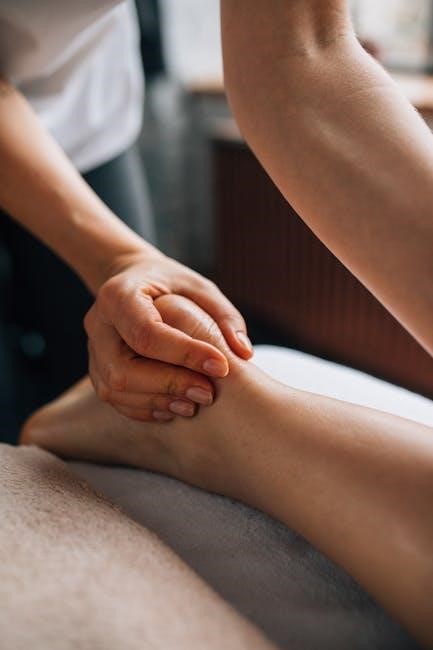
This therapeutic modality involves a practitioner using specialized techniques – including joint and soft tissue mobilization – to diagnose and treat patient impairments. These techniques aim to reduce pain, increase range of motion, reduce soft tissue restrictions and improve overall functional ability.
Manual therapy isn’t a standalone treatment; it’s often integrated with exercise, patient education, and other modalities for optimal outcomes. It addresses the body as an interconnected unit, seeking to restore proper biomechanics and alleviate discomfort.
Historical Context of Manual Therapy
The roots of manual therapy stretch back centuries, evolving from ancient practices like massage and bone-setting. Hippocrates, considered the father of medicine, advocated for hands-on techniques to restore health.
However, the modern foundations emerged in the late 19th century with figures like John M. Mennell, who formalized joint mobilization principles. Further development occurred through the work of osteopathic physicians in the early 20th century, emphasizing the interconnectedness of body structure and function.
Over time, manual therapy integrated with advancements in anatomy, biomechanics, and physiotherapy. Today, it represents a sophisticated, evidence-informed approach, building upon a rich history of hands-on healing practices.
Core Principles of Manual Therapy
Manual therapy operates on several key principles. Firstly, the body possesses inherent self-healing capabilities, and therapy aims to facilitate this process. Secondly, structure and function are intimately linked; addressing musculoskeletal imbalances can improve overall wellbeing.
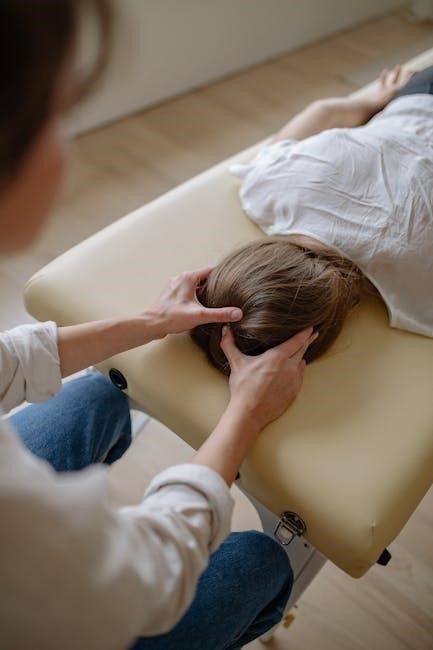
Biomechanical assessment is crucial, identifying impairments in joint movement, soft tissue mobility, and neuromuscular control. Patient-centered care is paramount, tailoring treatment to individual needs and goals.
Finally, a holistic perspective recognizes the interplay of physical, psychological, and social factors influencing health. Effective manual therapy integrates these principles for optimal outcomes.

Specific Manual Therapy Techniques
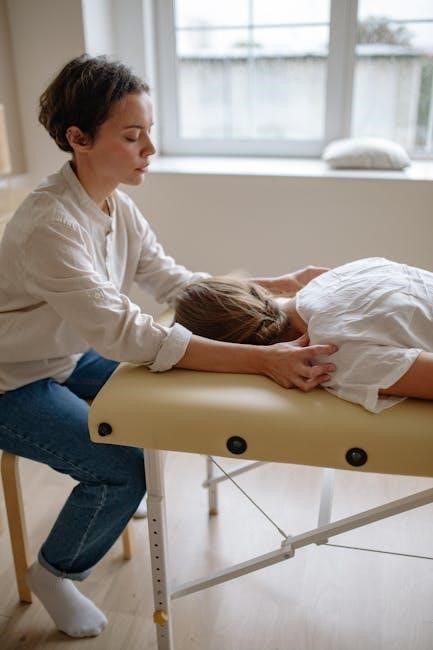
Manual therapy utilizes techniques like joint mobilization, soft tissue mobilization, muscle energy techniques, and high-velocity thrusts to address diverse patient needs.
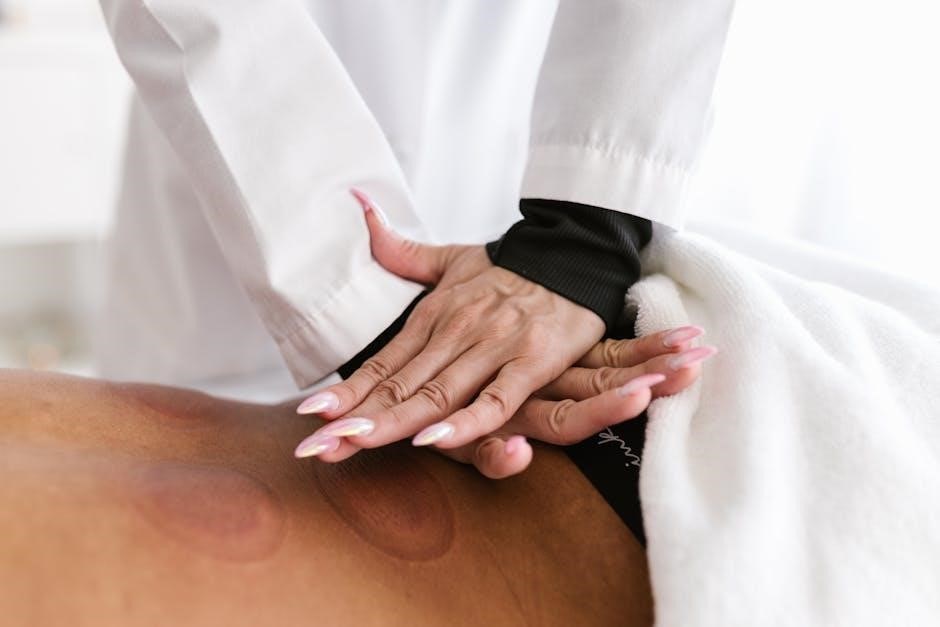
Joint Mobilization Techniques
Joint mobilization encompasses a spectrum of graded techniques designed to restore optimal joint mechanics and reduce pain. These techniques are categorized by the amplitude and velocity of the applied force.
Grade I mobilizations are small-amplitude, rhythmic oscillations used primarily for pain relief. Grade II involves slightly larger amplitudes, still within the comfortable range of motion. Grade III introduces a larger amplitude, reaching into the mid-range of motion, targeting joint restrictions.
Finally, Grade IV mobilizations utilize high-amplitude, small-velocity oscillations to address significant joint restrictions, often reaching the end-range of motion. Skilled application of these grades allows therapists to address specific patient presentations effectively.
Grade I Mobilization
Grade I mobilization is a gentle, passive joint movement characterized by small amplitude oscillations. This technique is primarily utilized to address pain and muscle guarding, rather than directly targeting joint restrictions.
The therapist applies a rhythmic, oscillatory movement within the patient’s comfortable range, focusing on neurophysiological effects. It aims to stimulate joint mechanoreceptors, reducing pain perception and promoting relaxation.
Grade I is often the initial mobilization grade used, especially in acute or inflamed conditions; It’s a subtle technique, barely taking up any slack in the joint capsule, and is felt as a gentle rhythmic sway by the patient.
Grade II Mobilization
Grade II mobilization involves a slightly larger amplitude oscillatory movement than Grade I, still within the patient’s comfortable range. This technique begins to address joint restrictions by taking up some, but not all, of the available joint play.
The therapist feels a slight resistance at the end of the range, but avoids forcing the movement. Grade II aims to reduce pain and muscle guarding while initiating a gentle stretch to the joint capsule.
It’s often used in subacute phases of injury or for patients with moderate joint stiffness, promoting early range of motion and reducing inflammation.
Grade III Mobilization
Grade III mobilization utilizes a larger amplitude oscillatory movement, reaching into the mid-range of available joint play. A more significant stretch is applied to the joint capsule, and the therapist can feel a distinct resistance that the patient can still passively tolerate.
This technique aims to regain a larger degree of joint motion and reduce joint restrictions. Grade III is often employed in later subacute or early chronic stages of injury, when pain levels have decreased.
It’s used to address joint hypomobility and restore normal arthrokinematics, preparing the joint for more advanced techniques if needed.
Grade IV Mobilization
Grade IV mobilization involves a small amplitude, high-velocity oscillatory movement performed at the end-range of available joint play. This technique aims to overcome a significant restrictive barrier within the joint capsule.
The therapist feels a distinct “catch” or resistance as the joint barrier is reached, and a quick, small thrust is applied. Grade IV is often used to restore joint mechanics in cases of chronic restrictions where other techniques have been insufficient.
It’s crucial to note that this grade requires precise skill and assessment to avoid causing discomfort or injury.
Soft Tissue Mobilization Techniques
Soft tissue mobilization techniques address restrictions within muscles, fascia, and other connective tissues surrounding joints. These methods aim to reduce pain, improve range of motion, and restore optimal tissue function.
Common approaches include massage therapy, utilizing various strokes to manipulate superficial and deeper tissues. Myofascial release focuses on releasing tension in the fascia, the connective web throughout the body.
Trigger point therapy specifically targets hyperirritable spots within muscles, alleviating referred pain patterns. These techniques are often used in conjunction with other manual therapy interventions.
Massage Therapy
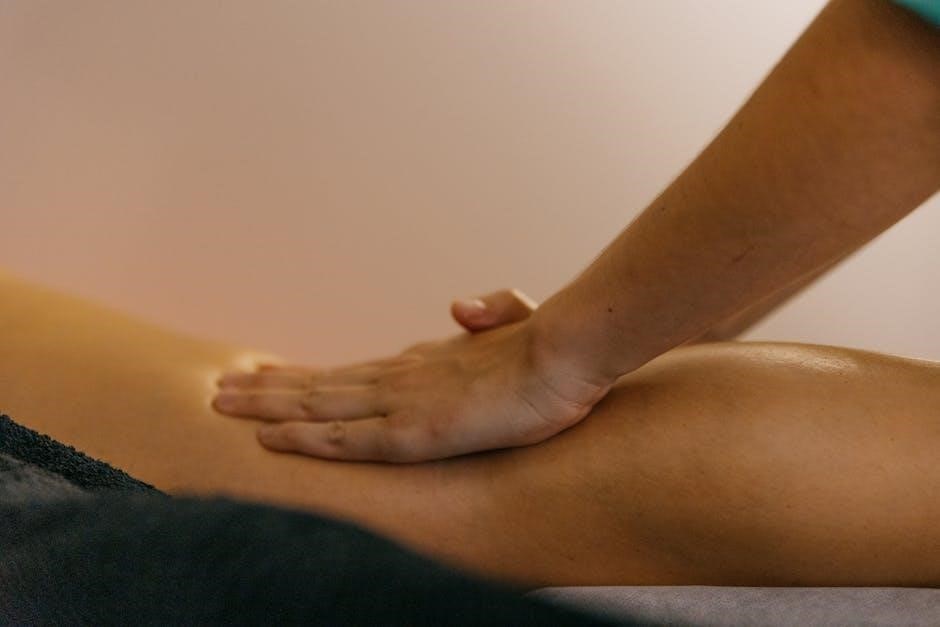
Massage therapy, a cornerstone of soft tissue mobilization, employs various manual techniques to manipulate the body’s muscles and tissues. It’s a widely recognized therapeutic intervention, often integrated into broader physiotherapy treatment plans.
Different massage styles – Swedish, deep tissue, sports massage – cater to specific needs, ranging from relaxation and stress reduction to addressing chronic pain and muscle imbalances. The application of pressure, kneading, and stretching helps to improve circulation, reduce muscle tension, and promote healing.
It’s a versatile technique used to complement other manual therapies and exercise regimens.

Myofascial Release
Myofascial Release (MFR) is a manual therapy technique focused on releasing tension within the myofascial system – the interconnected web of fascia surrounding muscles and organs. Restrictions in this fascia can cause pain, limited movement, and postural imbalances.
MFR practitioners apply sustained pressure into these fascial restrictions, encouraging the tissue to lengthen and return to a more natural state. This gentle, yet effective, approach aims to eliminate pain and restore optimal movement patterns.
It’s often used in conjunction with other manual techniques to address complex musculoskeletal issues and improve overall bodily function.
Trigger Point Therapy
Trigger Point Therapy centers around identifying and releasing hyperirritable spots within skeletal muscles, known as trigger points. These points can cause localized pain, as well as referred pain to other areas of the body, creating widespread discomfort and limited range of motion.
A practitioner determines trigger point locations through palpation, then applies sustained pressure to deactivate them. This can involve ischemic compression, stretching, or other techniques to release the tension and restore normal muscle function.
Effective for chronic pain conditions, it aims to alleviate pain and improve musculoskeletal health.
Muscle Energy Techniques (MET)
Muscle Energy Techniques (MET) utilize the patient’s own muscle contractions to correct joint restrictions and muscle imbalances. This active participation distinguishes MET from passive techniques, promoting patient engagement and improved outcomes.
The therapist guides the patient through specific contractions of targeted muscles, held against a counterforce. These contractions are carefully controlled in direction, magnitude, and duration, aiming to restore optimal joint mechanics and muscle length.
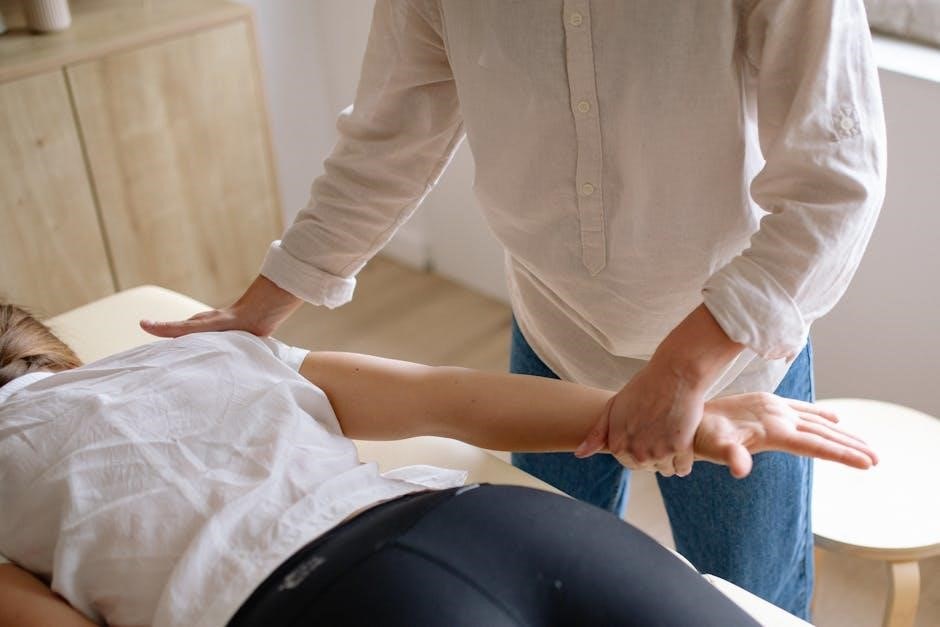
MET is a gentle yet effective approach, often used to address a wide range of musculoskeletal conditions, enhancing mobility and reducing pain.
Strain-Counterstrain Technique
Strain-Counterstrain is a gentle, patient-centered manual therapy approach founded on the principle that tender points indicate areas of acute muscular strain and associated fascial restrictions. The technique aims to alleviate pain by passively positioning the patient into a “position of comfort.”
This comfortable position shortens the affected muscle, reducing strain on the tender point and allowing the nervous system to reset. The therapist maintains this position for a specific duration, typically 90 seconds, facilitating muscle relaxation and pain reduction.
It’s a non-invasive method, well-tolerated by most patients, and effective for diverse musculoskeletal complaints.
High-Velocity Low-Amplitude (HVLA) Thrust Techniques (Manipulation)
HVLA manipulation, often referred to as “adjustments,” involves a high-speed, low-force thrust applied to a joint. This technique aims to restore joint mobility, reduce pain, and improve function by addressing joint restrictions. A characteristic “pop” or cavitation sound may accompany the manipulation, though it isn’t necessary for effectiveness.
HVLA is typically used for specific joint dysfunctions, particularly in the spine, but can be applied to peripheral joints as well. It requires precise skill and a thorough understanding of anatomy and biomechanics.
Careful patient screening is crucial to ensure suitability and minimize potential risks.
Neurodynamic Mobilization
Neurodynamic mobilization, also known as neural flossing, focuses on restoring optimal movement and function of the nervous system. This technique addresses restrictions within the neural tissues – the nerves, their surrounding sheaths, and related connective tissues – that can contribute to pain and dysfunction.
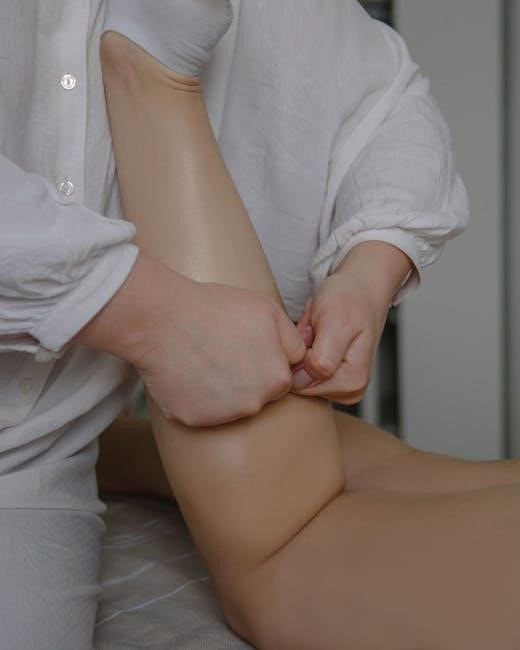
Gentle, sustained movements are applied to the nervous system, aiming to improve nerve glide and reduce sensitivity. It’s often used for conditions like sciatica, carpal tunnel syndrome, and thoracic outlet syndrome.
Neurodynamic techniques are typically integrated with other manual therapy approaches for comprehensive care.
Manual Traction Techniques
Manual traction involves a therapist applying a gentle, sustained pulling force to a joint or body segment. This technique aims to reduce compression, increase joint space, and alleviate pain by decreasing pressure on sensitive structures like nerves and discs.
Commonly used for spinal conditions, manual traction can help restore proper alignment and improve range of motion. It’s often combined with other manual therapy interventions and therapeutic exercises.
The application of traction is carefully controlled, considering the patient’s specific condition and tolerance levels, to achieve optimal therapeutic effects.
Pelvic Floor Manual Therapy
Pelvic floor manual therapy addresses dysfunction within the muscles and connective tissues of the pelvic region. This specialized treatment aims to alleviate pain, incontinence, and challenges following surgery, improving overall pelvic health and function.
Therapists utilize external and internal techniques to release muscle tension, improve muscle coordination, and restore optimal biomechanics. It’s beneficial for conditions like pelvic pain, urinary/fecal incontinence, and diastasis recti.
This therapy offers a non-invasive approach to restoring pelvic floor integrity, enhancing quality of life, and promoting long-term wellness.
Effectiveness and Applications
Manual therapy demonstrates effectiveness for conditions like neck pain, and can positively influence fertility and overall physical therapy treatment plans.
Manual Therapy for Neck Pain
Manual therapy plays a significant role in managing neck pain, often integrated with targeted exercise programs for optimal results. This combined approach utilizes hands-on techniques to address soft tissues, joints, and nerves contributing to discomfort.
These techniques aim to mobilize or manipulate structures, restoring proper biomechanics and reducing pain. Treatment focuses on releasing muscle tension, improving joint range of motion, and alleviating nerve compression.
Effectively addressing neck pain requires a comprehensive assessment to identify the root cause and tailor the therapy accordingly. The goal is not just symptom relief, but long-term functional improvement and prevention of recurrence.
Manual Therapy and Fertility
Manual therapy is increasingly recognized for its potential to support natural fertility and improve outcomes for individuals undergoing in vitro fertilization (IVF). Site-specific soft tissue therapy aims to address musculoskeletal imbalances that may impact reproductive health.
These techniques focus on releasing tension in the pelvic region, optimizing uterine blood flow, and promoting hormonal balance. By addressing physical restrictions, manual therapy can create a more favorable environment for conception and implantation.
Research suggests it may facilitate natural fertility and potentially enhance IVF pregnancy rates, offering a complementary approach alongside conventional reproductive treatments.
Manual Therapy in Physical Therapy
Manual therapy forms a crucial component within the broader scope of physical therapy (PT), utilizing hands-on techniques to address musculoskeletal impairments. PT encompasses a variety of treatment modalities, including manual therapy, exercise prescription, and patient education.
These techniques – such as joint mobilization, soft tissue mobilization, and muscle energy techniques – are employed to restore optimal movement patterns, reduce pain, and improve functional capacity.
Manual therapy is often integrated with other PT interventions to create a comprehensive and individualized treatment plan, enhancing rehabilitation outcomes and promoting long-term wellness.